Get cited in Google AI Overviews and rank on ChatGPT, Perplexity, and voice search.
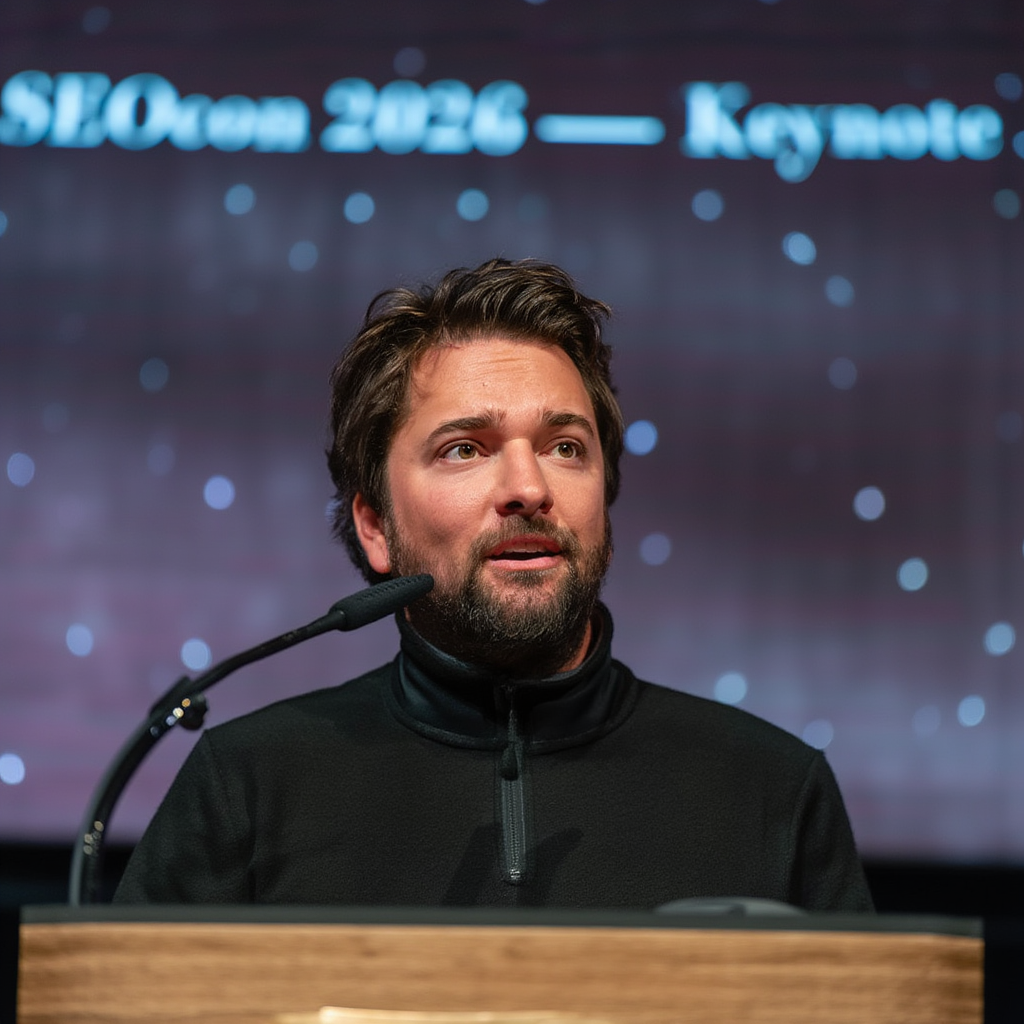
Answer Engine Optimization is the discipline that gets your Miami business cited inside AI-generated answers across Google AI overviews, ChatGPT search, Perplexity, Claude, Gemini, Siri, Alexa, and Google Assistant. Standard SEO targets blue link clicks. AEO targets the citation slot that increasingly replaces those clicks. Every AEO retainer is run by founder Jobin John from the Brickell office, the same person who delivered the SEOcon 2026 keynote on Answer Engine Optimization.
AEO services Miami is the practice of structuring website content so it gets cited as the answer inside AI-powered search interfaces: Google AI overviews, ChatGPT search, Perplexity, Claude, Gemini, Siri, Alexa, and Google Assistant. The work covers definition-led content structure, FAQ schema across the full site, HowTo schema for instructional content, Speakable schema for voice assistants, Article schema with full author and date markup, Organization and LocalBusiness schema for entity SEO, listicle and ranked content production, original research and proprietary data points that AI engines cite, conversational query targeting, entity SEO with Wikipedia and Wikidata work, knowledge panel strategy for established brands, AI overview citation monitoring across Google, ChatGPT, Perplexity and Claude, and bilingual AEO for the 30 percent of Miami search that happens in Spanish. AEO is the successor discipline to traditional SEO for the AI-search era. Where SEO targeted blue link rankings, AEO targets citation placement inside AI answers, where users increasingly stop without clicking through.
Bilingual AI search, voice-first locals, and Spanish-language LLM training change the AEO playbook.
Generic AEO playbooks fail in Miami for three structural reasons that do not apply in most US metros.
Bilingual AI search demand splits the citation work
Roughly 30 percent of Miami search happens in Spanish, including a growing share of AI search queries through ChatGPT, Perplexity, and Spanish-language voice assistants. Sites optimized only for English AEO miss citation eligibility on the entire Spanish-language search layer. Spanish AEO requires native Spanish content with proper hreflang signals, Spanish FAQ schema, and Spanish-language entity markup. Most generic AEO agencies skip Spanish entirely.
Voice-first usage runs higher in Miami than the US average
Miami's high commuter density and bilingual population produces above-average voice search usage on Siri (English and Spanish), Alexa, Google Assistant, and increasingly ChatGPT voice mode. Voice queries are conversational and direct ("Where is the closest dentist that takes Aetna in Brickell"), which requires conversational content structure and Speakable schema. Sites that optimize only for typed-query SEO miss the voice search citation layer entirely.
Miami tourism and event cycles create high-velocity AEO opportunities
Miami's tourism economy generates seasonal informational queries that produce predictable AI overview citation opportunities: Art Basel guides in November and December, food festival content in February to April, hurricane preparedness in June, beach season in summer, and conference coverage year-round. Each cycle generates fresh "what is", "how to", and "best of" queries that AI engines cite. Generic AEO agencies miss the calendar.
Ten signals decide whether AI engines cite your content or your competitor's.
AI overviews, ChatGPT search, and Perplexity all evaluate citation candidates against these ten signals. We score every page against all ten before content briefs go to writers.
Clear "X is Y" statements at the top of pages
AI engines extract definitions from the first 60 to 120 words of a page. Pages that lead with a direct "X is Y" definition statement (40 to 60 words ideally) earn citation eligibility for definition queries. Pages that open with marketing copy or context-setting paragraphs get skipped regardless of content quality.
Question-and-answer markup with full structure
FAQPage schema is the highest-citation-rate schema type for AI overviews. Each question becomes a discrete citation candidate. We add FAQ schema to every relevant page type: service pages, product pages, landing pages, blog articles, and pillar pages. Coverage typically reaches 80 percent or more of site URLs within 90 days.
Numbered or ranked lists for comparison queries
Queries like "best X in Miami", "top X for Y", and "X vs Y" trigger AI overviews that cite numbered lists. Pages with proper listicle structure (numbered headers, ranked items, clear criteria) earn citation on these query types. Loose comparison content without numbered structure gets skipped.
Proprietary research and statistics
AI engines cite original data sources more than rehashed competitor content. Original Miami industry data, customer survey results, case study numbers, or proprietary research positions your site as a primary source. Information gain (new data not available elsewhere) is one of the strongest AI citation signals.
Author credentials, citations, and experience markers
AI overviews weight sources with strong E-E-A-T (Experience, Expertise, Authoritativeness, Trustworthiness) more heavily. Author bio with credentials, citation sources for claims, first-hand experience markers (photos, specific data, case examples), and Organization schema all feed E-E-A-T scoring inside AI citation algorithms.
Voice assistant readability markup
Speakable schema marks specific page sections as voice-readable. Voice assistants (Siri, Alexa, Google Assistant) extract Speakable-marked content first when answering voice queries. The schema is technical and rarely correctly implemented on most sites. Adding it lifts voice search citation eligibility substantially.
Cluster depth signals subject mastery
AI engines weight sites with deep topical coverage more heavily than thin sites. A site with 80 pages on Miami plastic surgery gets cited more often than a site with 5 pages on the same topic, even when individual page quality is equal. AEO and content marketing work together to build the cluster depth that feeds citation authority.
Wikidata, Wikipedia, knowledge graph presence
AI engines weight entities they can verify against structured knowledge sources (Wikipedia, Wikidata, Google Knowledge Graph). Brands with verified entity presence get cited more reliably than unverified brands. Entity SEO covers Wikipedia article work where appropriate, Wikidata entity creation, and structured data signals that connect your brand to the knowledge graph.
Content that matches natural language search
AI search queries are longer and more conversational than typed Google queries. "Best Miami dentist that takes Aetna and is open Saturdays" is a real voice query. Pages that target conversational long-tail phrasing get cited on voice queries that exact-keyword-targeted pages miss. AEO content briefs include conversational query variants alongside primary keywords.
40 to 60 word answer chunks
AI overviews extract paragraph chunks of 40 to 60 words as citation candidates. Pages structured with discrete answer paragraphs (each answering one question completely in 40 to 60 words) get cited more than pages with long flowing paragraphs that mix multiple ideas. We brief content with citation-ready chunking in mind.
Every AEO retainer runs twelve work streams.
The retainer is not a single tactic on repeat. It is twelve sequenced work streams across audit, schema, content production, entity work, and citation tracking, scoped to your Miami industry and current AI search visibility gap.
AI overview citation audit (quarterly)
Manual and automated tracking of AI overview citations on target queries across Google AI overviews, ChatGPT search, Perplexity, and Claude. Baseline established at month 1. Audit re-run every 90 days to track citation rate changes.
Featured snippet opportunity research
Search Console data mined for pages ranking positions 4 to 10 where featured snippet capture is achievable with content refinement. 5 to 15 snippet opportunities identified per quarter. Each gets refined content structure and schema work.
AEO-optimized content briefs
Every brief includes definition-led intro requirement, FAQ section requirement, listicle structure if applicable, conversational query variants, citation-ready paragraph chunking checklist, and schema markup checklist. Writers work from these briefs, not generic content outlines.
FAQ schema across site
FAQPage schema added to every relevant page type. Service pages, product pages, blog articles, landing pages, and pillar pages get FAQ schema with 5 to 12 questions per page matched to actual search queries. Coverage typically reaches 80 percent or higher within 90 days.
Definition page production
1 to 3 definition pages per month for foundational industry terms. Each page leads with the 40 to 60 word definition, expands with context, includes FAQ schema, and gets internal linked from cluster pages. Definition pages are the highest-citation-rate content type for AI overviews.
Listicle and ranked content
1 to 2 listicle articles per month covering "best of", "top X", "X vs Y" queries with proper numbered structure. Each gets Article schema, FAQ schema, and citation-ready paragraph chunking. Listicles are the second-highest-citation-rate content type after definition pages.
HowTo schema for instructional content
Existing how-to articles audited and marked with HowTo schema (step structure, images per step, time estimate, materials list where applicable). New how-to articles produced with HowTo schema from the brief stage. Voice assistants cite HowTo content disproportionately on procedural queries.
Speakable schema for voice search
Speakable schema added to pages targeted at voice search queries. Speakable markup specifies which page sections voice assistants should read first. Most sites have zero Speakable schema baseline. Adding it lifts voice citation eligibility on Siri, Alexa, and Google Assistant.
Entity SEO and Wikidata work
Wikidata entity creation or update for the brand and founder. Wikipedia article work where editorial criteria are met (notability bar, secondary source citations, neutral tone). Organization schema, Person schema, and sameAs cross-linking to verify brand entity against the knowledge graph.
Knowledge panel strategy (Authority tier)
For established Miami brands eligible for knowledge panel display. Entity verification, schema markup, sameAs linking, and content signals that feed knowledge panel display. Knowledge panel work is included in Authority Engine tier, not standalone or Growth tiers.
AI citation tracking across engines
Monthly manual queries on target search terms across Google AI overviews, ChatGPT search, Perplexity, and Claude. Citation status documented per engine. Pattern analysis identifies which engines cite the brand most frequently and which queries to prioritize for additional AEO work.
Monthly AEO performance reporting
One-page monthly report covering featured snippets captured, AI overview citations gained, schema coverage delta, Speakable schema additions, entity work delta, and ranking position changes on AEO-prioritized pages. Sent with month-over-month deltas and next-month focus areas.
Six kinds of Miami sites that need AEO work right now.
AEO fits specific business situations and ranking patterns. When yours matches, the call jumps to which work streams get prioritized in the first 30 days.
Brands that want visibility in Google AI Overviews
Site has decent organic visibility but gets zero or minimal citations inside Google AI overviews on target queries. Traffic is leaking to the AI summary itself because users stop reading after the AI answer. AEO work earns the citation slot inside that summary with a clickable source link back to your site.
Sites with featured snippet potential but no schema
Pages ranking positions 4 to 10 on multiple keywords with featured snippet eligibility, but missing FAQ schema, HowTo schema, or proper content structure to capture the snippet. Schema and content refinement on existing rankings typically captures 5 to 15 featured snippets per quarter.
YMYL brands needing citation authority for AI search
Medical, legal, and financial brands where AI engines stricter-vet citation candidates against E-E-A-T criteria. Author bios, citation sources, expert credentials, and entity verification all matter more for YMYL AEO than commodity industries. Citation eligibility is a higher bar but the citation slots are more valuable.
Local businesses targeting voice search ("near me")
Service businesses where "best X near me" or "X open now" or "X that takes Y insurance" queries make up a large share of demand. Voice search citation requires Speakable schema, conversational content structure, LocalBusiness schema with full attributes, and GBP entity alignment. Most local businesses have zero voice search citation work in place.
Brands with knowledge panel gaps
Established Miami brands that should display a knowledge panel on branded searches but currently do not, or display a partial panel with incorrect or outdated information. Knowledge panel work covers entity verification, Wikidata creation, Wikipedia article work where eligible, and structured data signals.
Content sites losing traffic to AI overviews
Content sites that ranked well in standard Google and have watched traffic erode as Google AI overviews increasingly answer queries without clicks. Recovery comes from AEO work that gets the same content cited inside the AI overview, preserving the click-through that the AI summary otherwise absorbs.
Six things Miami buyers get wrong about AEO and the actual reality.
Most of what circulates about AEO comes from 2024-era hot takes when AI overviews first launched, or from agencies still selling traditional SEO as "AEO" without the technical work. Here is what is actually true in 2026 for Miami businesses.
AI overviews are killing SEO.
AI overviews are replacing informational click-throughs, not SEO as a whole. Transactional and navigational searches still produce standard SERPs because users want product pages, brand sites, and login pages directly. Smart sites add AEO to traditional SEO instead of choosing between them. The brands that lose are the ones that ignore AEO and watch their informational traffic absorb into Google's AI summary.
If you rank #1 in Google, you will automatically get AI citations.
Ranking and citation are different ranking algorithms. Many #1-ranked pages get zero AI overview citations because their content structure does not match what AI engines extract. AI engines prefer definition-led content, FAQ-structured Q&A blocks, listicle formats for comparison queries, and citation-ready paragraph chunks. Pages that rank well in standard Google but lack these structural patterns often get zero citation share.
You can pay to get into AI overviews.
AI overview placement is editorial, not paid. Google does not offer paid AI overview citation, ChatGPT does not, Perplexity does not. Sponsored AI overview tests exist in limited beta but are not generally available. AEO citation comes from content structure, schema markup, E-E-A-T signals, and entity authority. Any agency claiming to buy AI overview placement is selling something that does not exist.
AEO is just adding FAQ schema to pages.
FAQ schema is one piece. Full AEO covers FAQ schema, definition-led content structure, HowTo schema for instructional content, Speakable schema for voice, Article schema with full markup, entity SEO and Wikidata work, knowledge panel strategy, conversational query targeting, citation-ready paragraph chunking, and original data inclusion. Sites that only add FAQ schema typically see modest citation lift but miss the larger AEO opportunity.
ChatGPT and Perplexity work like Google AI overviews.
Each AI engine cites sources differently. Google AI overviews cite from Google's standard index with extraction patterns specific to AI summarization. ChatGPT search cites from Bing's index plus its own crawl. Perplexity cites from a dedicated crawler weighted toward authority sources. Citation patterns differ per engine. Full AEO work tracks citation status per engine and prioritizes work based on which engines drive the most traffic for the brand's vertical.
Voice search is dead because ChatGPT replaced it.
Voice search volume continues to grow, especially on mobile, in cars, and in homes with smart speakers. Siri, Alexa, Google Assistant, and now ChatGPT voice mode all handle billions of queries monthly. Voice citation requires Speakable schema, conversational content structure, and LocalBusiness schema for "near me" queries. Voice and text AI search are converging into one citation discipline, not separating.
Five steps. Built for Miami AI search citation.
The Flamingo Method is the five-step framework every retainer follows. For AEO, each step has a specific scope and shipping deadline.
Foundation Audit
AI overview citation baseline across Google, ChatGPT, Perplexity, Claude. Schema markup audit. Featured snippet opportunity inventory. Speakable schema gap analysis. Entity SEO status check. E-E-A-T audit on author bios and citation sources.
Days 1 to 14Topical Authority Map
AEO content cluster mapped. Definition pages prioritized. Listicle topics scoped. Featured snippet targets locked. Schema rollout sequenced across page types. First quarter AEO editorial calendar finalized.
Days 15 to 30Local Signal Stack
FAQ schema rolled out site-wide. Definition page production begins. Speakable schema added to top voice-query pages. LocalBusiness schema upgraded. Entity SEO work starts (Wikidata, Organization schema, sameAs linking).
Days 31 to 60Content Velocity
Definition and listicle production at full cadence. HowTo schema added to instructional content. AI citation tracking active across all engines. Featured snippet captures stack up. Bilingual AEO if applicable. First AI overview citations begin appearing.
Days 61 to 120Authority Compounding
Quarterly AEO re-audit. Knowledge panel work for eligible brands. Entity authority signals stack up. AI overview citation rate compounds. Some queries earn citation across multiple AI engines simultaneously. Voice search visibility measurable.
Days 121 and ongoingDifferent Miami verticals need different AEO playbooks.
AEO for a Miami law firm differs from a restaurant differs from an e-commerce store. How the work breaks down across our ten most-served verticals.
Law firms
Legal definition pages with FAQ schema, attorney bio E-E-A-T markup, "can I sue for X" conversational query targeting, voice search for "lawyer near me", and bilingual legal AEO content.
Medical & dental
Condition definition pages, treatment HowTo content, doctor bio E-E-A-T markup, FAQ schema across services, Speakable schema for voice ("dentist near me that takes Cigna"), and bilingual medical AEO.
Real estate
Neighborhood definition pages, "best X neighborhood for Y" listicle content, buyer/seller HowTo guides, agent E-E-A-T markup, voice search for "Miami homes for sale near me".
Restaurants
Cuisine definition pages, "best X in Miami" listicle content, menu pages with structured data, voice search for "restaurant open now near me", and bilingual food AEO content.
Hotels & hospitality
Destination guides with FAQ schema, amenity definition pages, "best hotel for X" listicle content, event tied content (Art Basel, conferences), voice search for "hotel near me", bilingual travel AEO.
Contractors & trades
Service definition pages, "how to" HowTo content, hurricane preparedness AEO content (Miami-specific), voice search for "contractor near me open now", and bilingual contractor AEO.
Plastic surgery
Procedure definition pages with strong E-E-A-T, recovery HowTo content, "best X surgeon in Miami" listicle work, surgeon credential markup, and bilingual aesthetic AEO content.
Med spas
Treatment definition pages, "Botox vs Dysport" comparison content with listicle structure, voice search for "med spa near me", and bilingual aesthetic AEO content.
Financial services
Financial concept definition pages with YMYL E-E-A-T, calculator tools with structured data, "should I X" conversational query targeting, advisor credential markup, bilingual financial AEO.
Ecommerce
Product comparison listicles, buying-decision HowTo content, category definition pages, product schema markup, voice search for "where to buy X near me", and bilingual product AEO.
AEO results compound over 6 to 12 months.
Realistic AEO timelines for Miami sites. Featured snippets show first because they piggyback on existing rankings. AI overview citations follow as AI engines update training. Voice search visibility arrives last but stacks.
Audit complete. Schema rollout begins.
AI overview citation baseline measured across Google, ChatGPT, Perplexity, Claude. Featured snippet opportunity list delivered. Schema markup audit complete. FAQ schema rollout starts on top-traffic pages. First 4 to 6 citation-ready pages published with definition-led intros and FAQ schema.
First featured snippet captures.
FAQ schema covers 50 to 70 percent of relevant pages. Speakable schema added to top voice-query pages. First 2 to 5 featured snippets captured on existing ranking pages where snippet eligibility was blocked by content structure. Definition page production hits cadence.
First AI overview citations appear.
FAQ schema coverage hits 80 percent or higher. First Google AI overview citations appear on definition and FAQ queries. First Perplexity citations follow shortly after. Featured snippet count grows to 5 to 15 per quarter. Voice search visibility measurable on Siri and Alexa for local queries.
Citation rate compounds across engines.
AI overview citation rate compounds as authority signals stack. ChatGPT search citations begin appearing (typically slower than Google because Bing index updates run on different cycles). Entity SEO work pays off with cleaner brand entity recognition across AI engines.
Knowledge panel work pays off (Authority tier).
For Authority Engine clients, knowledge panel work completes and displays on branded searches. Entity verification across Google, Wikipedia, and Wikidata signals consistent brand identity. AI engines cite the brand with verified context, increasing citation accuracy and frequency.
Compounding AI search visibility.
Site has FAQ schema, HowTo schema, Speakable schema, and Article schema across the full content library. AI overview citations stack across Google, ChatGPT, Perplexity, and Claude. Voice search citation works reliably. AI search becomes a measurable traffic channel separate from standard organic.
Four services that compound with AEO.
AEO is one of four AI-search and authority layers. These four sibling services build on top of it. Most Miami brands run two or three in parallel with the AEO retainer.
Content Marketing Miami
SEO content production retainer. Content marketing produces the topical authority that AEO structures and amplifies. AEO without content marketing has nothing to cite. Content marketing without AEO produces content that ranks but does not get cited in AI overviews.
Read Content Marketing →Schema Markup Services Miami
Standalone schema markup deliverable. For Miami brands that want full schema rollout (FAQ, HowTo, Speakable, Article, Organization, LocalBusiness, Person, Product) without the broader AEO retainer scope. One-time deliverable, not ongoing.
Read Schema Markup Services →Link Building Miami
White-hat backlink retainer. Authority backlinks feed AI overview citation algorithms because AI engines weight sources with strong link authority more heavily. Link building and AEO compound together: better authority signal lifts citation rate across engines.
Read Link Building Miami →Technical SEO Miami
Full technical SEO retainer covering Core Web Vitals, crawl budget, indexation, and site structure. AEO depends on technical SEO foundations because pages that are slow, blocked, or improperly indexed cannot be cited regardless of content quality.
Read Technical SEO Miami →Where we work. Across Miami-Dade and Broward.
AEO retainers run for Miami businesses in every neighborhood. Neighborhood-specific voice queries ("dentist near Brickell" / "lawyer in Coral Gables") and bilingual AEO scale across the full Miami-Dade and Broward metro.
Miami-Dade core
South & Broward
Standalone AEO at $1,500 or bundled in two higher tiers.
AEO scales with schema coverage scope, content production cadence, entity work depth, and AI citation tracking breadth. Here is how the three tiers map to Miami business types and AI search visibility gap size.
For single-domain Miami businesses that want AI search citation work without the full SEO retainer scope.
- Quarterly AI overview citation audit
- FAQ schema across full site (within 90 days)
- 4 to 6 citation-ready pages per month
- Featured snippet capture work
- Speakable schema for voice search
- HowTo schema on instructional content
- Basic entity SEO work
- Monthly AI citation tracking report
Full SEO retainer for multi-service Miami brands with AEO bundled alongside content marketing, technical SEO, and local SEO.
- Everything in standalone AEO
- 8 to 12 citation-ready pages per month
- Full schema coverage across page types
- Wikidata entity creation/update
- Bilingual AEO if applicable
- Content marketing bundled
- Technical SEO bundled
- Local SEO bundled
Enterprise SEO retainer with full AEO program for Miami brands eligible for knowledge panel and high-citation visibility.
- Everything in Growth Engine
- 15 to 25 citation-ready pages per month
- Knowledge panel strategy
- Wikipedia article work where eligible
- Original research data for AI citation
- AI citation tracking across all engines
- Senior-led quarterly AEO review
- Direct founder access (Jobin John) weekly
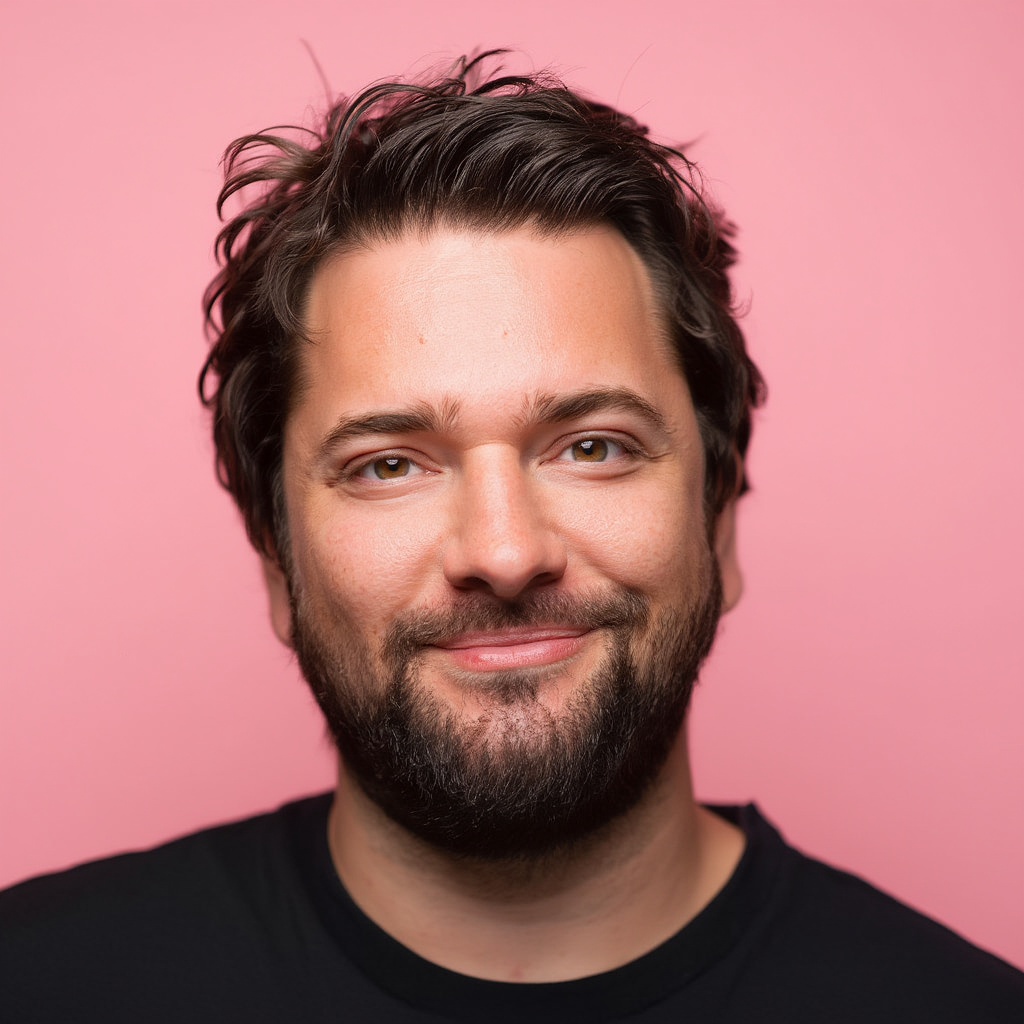
Jobin John is your AEO strategist.
Every active AEO retainer at Miami SEO Company is run personally by founder Jobin John from the Brickell office. There is no offshore schema team, no junior AEO analyst, no white-label vendor doing the citation work behind the scenes. The AEO audit, schema rollout plan, content brief production, featured snippet targeting, entity SEO work, and quarterly AI citation reviews all route to Jobin.
Jobin delivered the SEOcon 2026 keynote on Answer Engine Optimization. The keynote covered the same five-step AEO framework that runs every retainer (definition-led intros, FAQ schema markup, listicle structure, HowTo and Speakable schema, entity SEO with Wikidata). The talk drew the largest audience of the conference for one reason: AEO is the discipline that most SEO agencies still do not understand technically, and Miami buyers want someone who built it from first principles rather than re-labeled traditional SEO.
This boutique structure caps capacity to 10 to 14 active AEO retainers. AI citation work cannot be templated or batched. Each site needs schema scoped to its content types, content briefed to its query patterns, and entity work matched to its brand maturity. Jobin holds six active certifications across Google, SEMrush, Ahrefs, HubSpot, and RankMath, and has directed AEO work for Miami brands across legal, medical, real estate, restaurant, hospitality, contractor, financial, and ecommerce verticals since the discipline emerged in 2024.
Eight skeptical questions Miami buyers actually ask.
Answer Engine Optimization (AEO) is the practice of structuring content so it gets cited as the answer in AI-powered search interfaces: Google AI overviews, ChatGPT search, Perplexity, Claude, Gemini, Siri, Alexa, and Google Assistant. AEO covers FAQ schema markup, definition-led content structure, listicle formatting, HowTo schema, Speakable schema for voice, entity SEO and Wikipedia/Wikidata authority work, and conversational query targeting. AEO is the successor discipline to traditional SEO for the AI-search era, where the goal shifts from ranking blue links to becoming the cited answer.
Traditional SEO targets blue link rankings on standard Google SERPs. AEO targets citation placement inside AI-generated answers. The technical foundation overlaps (schema markup, content quality, E-E-A-T signals, topical authority) but the content structure differs substantially. AEO requires definition-led intros, structured Q&A blocks, original data points that AI engines cite, conversational query targeting, and entity-linked content. Many sites that rank well in standard Google get zero AI overview citations because their content structure does not match what answer engines extract.
Google AI overviews cite content based on authority signals, content structure, and citation-readiness markers. Five patterns earn citation consistently: clear definition statements at the top of pages (the "X is Y" answer format), FAQ schema with full question-and-answer markup, listicle structure for comparison and ranking queries, original data or research that adds information gain beyond competitors, and strong E-E-A-T signals (author credentials, citation sources, first-hand experience). AI overview citations typically begin appearing 60 to 120 days after AEO work starts on a site with existing topical authority.
AEO results split across two timelines. Featured snippet capture in standard Google can appear within 30 to 60 days of schema and content structure work on existing ranking pages. AI overview citations in Google, ChatGPT search, and Perplexity typically take 60 to 120 days because AI engines update their training and indexing on slower cycles than Google's regular search index. Voice search visibility through Siri and Alexa typically appears in the same 60 to 120 day window. Sustained AEO work over 6 to 12 months produces citation visibility across all major AI search interfaces.
Yes, because AI overviews are replacing blue link clicks for an expanding share of search volume. Google AI overviews appear above the traditional 10 blue links for informational queries, and users increasingly stop at the AI summary without clicking through. Sites that rank #1 in standard Google but get no AI citation are losing traffic to the AI overview itself. AEO recovers that traffic by getting your content cited inside the AI overview, often with a clickable source link. Sites that ignore AEO will see traffic erode even if their standard rankings hold.
AEO services in Miami start at $1,500 per month standalone, covering FAQ schema across site, 4 to 6 citation-ready pages per month, featured snippet work, Speakable schema, and monthly AI overview citation tracking. Mid-tier programs at $3,000 per month bundle AEO with content marketing for 8 to 12 citation-ready pages per month plus full technical schema work. Enterprise programs at $5,000 to $10,000+ per month include knowledge panel strategy, Wikipedia and Wikidata entity work, and AI citation tracking across Google, ChatGPT, Perplexity, and Claude. Full pricing details.
Five schema types do the heavy lifting for AEO. FAQPage schema for question-and-answer pages (highest AI overview citation rate). HowTo schema for instructional content (ranked steps with images). Article schema for blog content and pillar pages (with author, datePublished, dateModified). Speakable schema for voice assistant readability. Organization, LocalBusiness, and Person schema for entity SEO and knowledge panel work. Schema alone does not earn AI citations, but the absence of proper schema removes citation eligibility on most query types.
Not entirely, but AI overviews now appear on the majority of informational queries and an expanding share of commercial queries. Transactional and navigational searches still produce traditional blue link SERPs because users want product pages, login pages, and brand sites directly. The realistic outlook: AI overviews replace informational click-throughs, traditional Google handles transactional and brand intent, and a fully optimized site needs both AEO for citations and traditional SEO for click-through traffic. AEO and SEO are now two parallel disciplines, not competing strategies.
Five related questions Miami buyers research alongside AEO.
Sub-queries that come up after the primary AEO search. The answers below are intentionally compact so the page can serve as the final research stop.
How do I get cited in ChatGPT search?
ChatGPT search cites from Bing's index plus its own crawl. Citation requires strong E-E-A-T signals, definition-led content structure, FAQ schema, and entity verification through Wikidata or Wikipedia. ChatGPT also weights sources cited by other authoritative sites, so link building feeds ChatGPT citation rate.
See Link Building Miami →What is LLMO (Large Language Model Optimization)?
LLMO is the broader term covering content and entity work that makes a brand visible inside any LLM-powered search interface (ChatGPT, Perplexity, Claude, Gemini). AEO is the same discipline focused on the citation slot. LLMO and AEO are often used interchangeably; LLMO emphasizes the technology layer, AEO emphasizes the citation outcome.
Discuss LLMO scope →What is GEO (Generative Engine Optimization)?
GEO is another term for the same discipline. The SEO industry has not settled on a single name yet: some agencies use AEO, others use GEO, others use LLMO. All three terms cover the same core work of getting content cited inside AI-generated answers. We use AEO as the primary term because it focuses on the citation outcome.
See Content Marketing →How do voice assistants like Siri choose answers?
Voice assistants extract answers from sources with Speakable schema, strong LocalBusiness or Organization schema, and high E-E-A-T signals. Siri pulls primarily from Apple Maps, Yelp, and high-authority web sources. Alexa pulls from Bing and Yelp. Google Assistant pulls from Google's index with priority to Speakable-marked content.
See GBP Miami →Is AEO the same as featured snippet capture?
Featured snippet capture is one piece of AEO, not the whole discipline. Featured snippets are Google's position-zero blue-link enhancement. AI overviews are the AI-generated summaries that appear above featured snippets and below them. AEO covers both, plus voice search citation, ChatGPT citation, Perplexity citation, and entity authority work.
Audit your AEO readiness →Start with a free AEO audit.
The audit surfaces every gap holding AI search citation back: missing FAQ schema, unclaimed featured snippets, content lacking definition-led structure, no Speakable schema for voice, entity SEO gaps in Wikidata, and missing knowledge panel signals. No pressure, no contract, no charge. We only discuss a retainer when the audit data clearly justifies it. The diagnostic document gets delivered to you whether a retainer follows or not.