Brief-driven, human-written SEO articles that rank, convert, and survive Helpful Content updates.
SEO content writing is the production tactic: writing individual articles, pillar pages, definition pages, and listicles to a structured brief. Every piece is written by US-based SEO writers, edited by founder Jobin John, shipped with schema markup ready for publication, and built to meet 2026 E-E-A-T standards. No offshore writing, no end-to-end AI content, no thin keyword-stuffed articles that get suppressed inside 6 months.
SEO content writing Miami is the production discipline of writing search-optimized articles, pillar pages, definition pages, listicles, HowTo content, FAQ content, service pages, and location landing pages targeted at specific search queries for Miami audiences. The work covers content brief production (target keyword, search intent type, competitor analysis, entity gap list, suggested word count, heading structure, schema requirements, internal linking guidance, multimedia requirements), human writing by US-based SEO writers, founder editorial review on every piece, fact checking and citation source verification, E-E-A-T signal inclusion (author bios, credentials, first-hand experience markers), schema markup ready for publication (FAQ, HowTo, Article schema), bilingual writing for Spanish-language Miami audiences by native Spanish speakers, content refresh writing on legacy pages, and editorial review for AI-generated drafts that need humanization before publication. SEO content writing differs from content marketing because it is the writing tactic; content marketing is the strategic layer that decides which articles get written and how they cluster.
Bilingual audiences, neighborhood-specific phrasing, and US-Latin business culture change what ranks here.
Generic SEO content production fails for Miami audiences for three structural reasons that do not apply in most US metros.
Bilingual writing requires native speakers, not translation
Roughly 30 percent of Miami local search happens in Spanish. Translated content from English drafts ranks poorly because phrasing, cultural reference, and search intent in Spanish differ from English equivalents. Native Spanish writers produce content that captures the Spanish-language search demand. Spanish content needs its own keyword research, its own competitor analysis, and its own brief structure. Generic agencies skip Spanish entirely or translate from English templates.
Neighborhood-specific phrasing splits service-area content
"Brickell condo for sale" is a different ranking target than "Miami condo for sale" with different competitor sets and different commercial intent. Effective Miami SEO writing produces neighborhood-specific landing pages for each major area (Brickell, Wynwood, Coral Gables, Aventura, Doral, Miami Beach, Coconut Grove, Key Biscayne) as separate ranking assets, not as duplicate templated content. Writers need local knowledge or detailed neighborhood briefs to produce content that ranks for these splits.
US-Latin American business audiences expect specific framing
Miami serves audiences from Argentina, Brazil, Colombia, Venezuela, Cuba, and Puerto Rico. Each group has distinct expectations around how business content reads: how directly to address pricing, how much trust signal to include upfront, how formal the tone runs, what cultural references land. Content written for generic US audiences misses these signals. Founder-edited writing keeps content aligned to actual Miami audience expectations across both English and Spanish.
Ten standards every piece passes before founder edit, before delivery.
Not every well-written article ranks. Each piece is scored against these ten standards during writing and again at founder review. Pieces that fail any standard get rewritten before delivery.
Content type matches what the searcher actually wants
The single highest-weight standard. A comparison query ("best X in Miami") needs listicle content. A definition query ("what is X") needs definition-led content. A transactional query needs service page content with conversion structure. Pieces that mismatch intent fail review regardless of writing quality.
Every piece traces back to the brief
Target keyword in title, H1, first 100 words, and natural distribution. Heading structure follows the brief outline. Entity gap items from brief covered in content. Internal links from brief included. Schema markup matches brief specification. Pieces that drift from the brief get rewritten or returned to the writer for correction.
Experience, expertise, authority, trust
Author bio with credentials and link to /about/ page. Citation sources for factual claims with linked authority sources. First-hand experience markers (specific examples, photos, case data). YMYL content (medical, legal, financial) requires stronger E-E-A-T signals than commodity topics. E-E-A-T is checked at founder edit, not optional per piece.
Original data, insight, or perspective per piece
Every article contributes something competitor pages do not: original data point, expert quote, case example, specific framework, or original synthesis of existing information. Pieces that purely rehash competitor content fail review. Information gain is the single fastest way to earn featured snippet placement and AI overview citations.
Entity coverage matches competitor breadth
Every brief includes an entity gap list (concepts, people, places, tools, brands that top rankers cover). Writer covers all listed entities in the article. Thin pieces that miss 30 percent of competitor entities will not match competitor ranking position regardless of writing quality. Entity coverage is verified at edit.
40 to 60 word answer paragraphs
AI overviews extract paragraph chunks of 40 to 60 words as citation candidates. Pieces structured with discrete answer paragraphs (each answering one question completely in 40 to 60 words) earn more AI citation than pages with long flowing paragraphs. Writers brief in this chunking pattern from outline stage.
Match topic, not arbitrary minimums
Word count follows top-3 ranking competitor averages plus 10 to 20 percent margin. A definition page may need 800 words. A pillar page may need 3,500. Padding articles to hit "2,000 word minimums" produces thin filler content that Helpful Content algorithms suppress. Writers brief actual word count, not template rules.
Built to survive 2024-2026 algorithmic suppression
Helpful Content updates target thin AI content, search-engine-first writing, lack of expertise signals, derivative competitor rehash, and excessive keyword stuffing. Every piece is written human-first, edited for accuracy, includes original perspective, and reads like an expert wrote it. Pieces that fail Helpful Content patterns get rewritten before delivery.
FAQ, HowTo, Article schema ready for publication
Every piece ships with schema markup that matches its content type. FAQ pages get FAQPage schema. Tutorial content gets HowTo schema. Blog articles get Article schema with author and dates. Schema is part of delivery, not a separate add-on. Client publishes without needing to add markup post-delivery.
Jobin John reviews every piece before delivery
Final standard. Founder edits every article for search intent match, factual accuracy, E-E-A-T signals, citation-ready chunking, schema compliance, and Helpful Content survivability. Adds 1 to 2 business days to turnaround. Produces content that ships ready for publication without additional internal review on client side.
Twelve content types covered by every Miami writing engagement.
The retainer is not just blog articles. It covers twelve content types across informational, comparison, transactional, and YMYL intent categories.
SEO blog articles (1,200 to 2,000 words)
The standard production unit. Search-optimized articles targeted at specific informational and comparison queries. Brief-driven, founder-edited, schema-ready. Most retainers ship 4 to 12 of these per month.
Pillar pages (3,000 to 5,000 words)
Long-form topic hubs that cover a major theme broadly and link out to 8 to 15 supporting cluster articles. Pillar pages typically become the highest-traffic asset on the site within 12 months. Most retainers ship 1 per quarter.
Definition pages (800 to 1,500 words)
Focused pages answering "what is X" queries with clear "X is Y" definition statements at top. Definition pages have the highest AI overview citation rate of any content type. Most retainers ship 1 to 3 per month.
Listicle and comparison content
"Best X in Miami", "Top X for Y", "X vs Y" articles with proper numbered structure, criteria explanation, and ranked items. Listicles capture featured snippets and AI overview citations on comparison queries. 1 to 2 per month typical.
HowTo and tutorial content
Step-by-step instructional articles with HowTo schema, numbered steps, images per step, time estimates, and required materials lists. Tutorial content earns voice assistant citation on procedural queries and ranks well on "how to X" searches.
FAQ content for service pages
Question-and-answer content blocks for service pages with FAQPage schema. 5 to 12 questions per page matched to actual search queries from Search Console. FAQ blocks earn AI overview citations consistently on informational queries.
Service page copywriting
Conversion-focused service pages targeting transactional queries. Includes hero copy, service description, process steps, social proof, FAQ block, schema markup, and CTA framing. Built for both ranking and conversion, not one or the other.
Location landing pages
Neighborhood-specific landing pages (Brickell, Wynwood, Coral Gables, Aventura, Doral, Miami Beach, Coconut Grove, Key Biscayne) targeting local search demand. Each page is unique content, not templated, with neighborhood-specific framing and trust signals.
Content refresh writing
Existing pages older than 18 months rewritten: keyword research re-run, structure updated, new entities added, internal links updated, schema corrected, publication date updated. Refreshed pages typically gain 15 to 40 percent organic traffic inside 60 to 90 days.
Bilingual Spanish content
Native Spanish writing by Miami-based bilingual writers, not English translation. Spanish keyword research, Spanish competitor analysis, Spanish schema markup, hreflang setup. Captures the 30 percent of Miami search demand that happens in Spanish.
Content brief production for in-house teams
Standalone brief deliverable for Miami brands with in-house writers or external freelancers. Each brief covers target keyword, intent type, competitor analysis, entity gap list, word count, heading structure, schema requirements, internal links, multimedia requirements, and CTA framing.
AI draft editing and humanization
Editorial review and rewriting service for AI-generated content that needs humanization before publication. Covers fact checking, citation source verification, E-E-A-T signal addition, expertise voice rewriting, and Helpful Content compliance review. Saves the strategy without putting the site at suppression risk.
Six kinds of Miami operations that need writing capacity right now.
SEO content writing fits specific operational situations. Recognizing yours helps the first call go faster and shapes whether retainer or per-article pricing makes more sense.
Brands with existing strategy that just need writing capacity
You have a content cluster map, keyword research done, internal linking rules locked, and editorial calendar finalized. What is missing is writing capacity to ship 6 to 25 articles per month. SEO content writing standalone fits cleanly: writers work from your briefs (or briefs we produce to your spec), founder edits each piece, schema gets added before delivery.
In-house marketing teams overwhelmed by writing volume
Marketing manager or content lead in place, strategy known, but writing capacity bottlenecked. In-house team produces 1 to 3 pieces per month when they need 10 to 15. Adding a freelancer means brief production, editorial review, and quality control eats more time than the writing saves. Our retainer absorbs both production and quality control.
Sites recovering from Helpful Content algorithmic suppression
Site lost rankings after a Helpful Content update. Diagnosis points to thin AI content, derivative competitor rehash, or content lacking expertise signals. Recovery requires removing or rewriting thin pages with proper E-E-A-T, original perspective, and human voice. SEO content writing handles the rewrite work at scale.
Agencies and consultants needing white-label writing capacity
Marketing agency, SEO consultant, or web design firm with client work that needs SEO content writing capacity. White-label arrangements available with NDA, custom turnaround windows, and direct writer access for agency clients who need higher volume than per-piece purchases.
Brands needing bilingual Spanish content production
English content exists. Spanish content is either missing entirely or machine-translated and ranking poorly. Native Spanish writing for Miami audiences (Argentinian, Cuban, Venezuelan, Colombian, Puerto Rican) requires bilingual writers based in Miami, Spanish keyword research, and Spanish schema markup. Few agencies offer real bilingual capacity.
YMYL brands needing expert-voice content
Medical practices, law firms, financial advisors, and other YMYL brands where content evaluation runs stricter than commodity topics. YMYL writing requires real subject expertise voice, authoritative source citations, professional credentials in author bios, and careful liability framing on advice-shaped content. Generic SEO agencies and offshore writers fail these standards.
Six things Miami buyers get wrong about content writing and the actual reality.
Most of what circulates about SEO writing in 2026 still treats content as a 2018-era keyword-density exercise or assumes AI writers replaced human writers. Both are wrong. Here is what is actually true.
AI writers can produce SEO content end-to-end.
AI tools work for first drafts, research summaries, and outline generation. End-to-end AI content gets suppressed by Google Helpful Content algorithms (March 2024, August 2024, November 2024, and March 2025 updates all targeted AI content lacking expertise signals). Sites that published at scale with AI lost 60 to 90 percent of organic traffic. Every published piece needs human writing or substantial human rewriting from AI draft.
$50 per article writers produce good enough content.
Content priced under $100 per article is offshore writing or AI generation in 99 percent of cases. These pieces lack US English fluency, expertise on US-specific topics, and Helpful Content survivability. Sites built on $50 articles get suppressed inside 6 to 12 months and have to be rewritten anyway. Real SEO writing costs $250 to $900 per article depending on length and complexity.
Keyword density still matters for ranking.
Google has not weighted raw keyword density as a ranking signal since the 2013 Hummingbird update. Modern ranking uses semantic SEO (entity coverage, topic modeling, natural language processing) which weights related concepts and complete topic coverage over exact keyword repetition. Keyword stuffing now hurts rankings by triggering thin content patterns. Writers brief in target keywords for natural distribution, not for density quotas.
2,000 word minimum is the rule.
Word count matches search intent, not arbitrary minimums. A definition page may need 800 words. A pillar page may need 3,500. A comparison article may need 2,200. Padding articles to hit "2,000 word minimums" produces thin filler content that Helpful Content algorithms suppress. Brief word count based on top-3 ranking competitor averages plus 10 to 20 percent margin, never on rigid template rules.
Offshore writers produce equivalent content at lower cost.
Offshore production is the largest reason agency-purchased SEO content underperforms. Cultural mismatch on US business language, inconsistent expertise on US-specific topics (insurance, real estate, healthcare law, tax codes), writing patterns that AI Helpful Content algorithms identify as machine-translated, and Spanish content that misses Miami audience nuance entirely. US-based bilingual writers cost more per piece but produce content that survives algorithm updates.
SEO content writing is just writing articles around keywords.
SEO content writing is brief-driven production: writer works from a structured brief covering keyword, search intent type, competitor analysis, entity coverage requirements, suggested word count, heading structure, schema markup, internal links, multimedia, and CTA framing. The brief is more work than the writing on most pieces. Without a real brief, writers produce keyword-stuffed thin content that fails Helpful Content scoring.
Five steps. From brief to published article.
Every Miami SEO Company retainer follows the same five-step framework. For SEO content writing, each step has a specific scope and shipping deadline.
Foundation Audit
Topic intake. Existing content reviewed. Voice and tone guidelines locked. Style preferences captured. Writer assignment based on industry experience. Brief template customized to client's content cluster structure.
Days 1 to 7Topical Authority Map
First month editorial calendar locked. Article topics queued with target keywords. Brief production starts. Top 3 competitor URLs analyzed per topic. Entity gap lists built. Brief templates approved before writer engagement.
Days 8 to 14Local Signal Stack
First articles in production. Writer drafts due 5 to 7 business days after brief approval. Internal editorial review. Founder edit. Schema markup added. First batch (6 to 8 articles) delivered for client review.
Days 15 to 30Content Velocity
Production at sustained cadence. Pillar pages produced quarterly. Definition pages produced monthly. Listicle production interspersed. Refresh cycle starts on legacy pages. Bilingual production runs in parallel if applicable.
Days 31 to 90Authority Compounding
Quarterly editorial review. Top performers identified for refresh and expansion. Cluster gaps filled. Writer assignments rotated based on performance. Long-term editorial calendar locked for next quarter. Year 1 traffic compounding measurable.
Days 91 and ongoingDifferent Miami verticals need different writing standards.
SEO writing for a Miami law firm differs from a restaurant differs from an e-commerce store. Here is how the work shapes up across the ten verticals we write for most.
Law firms
Practice area pages, legal definition articles, case result write-ups, attorney bio pages with credentials, YMYL-grade citation work, and Spanish-language legal content for bilingual Miami clients.
Medical & dental
Condition explainer articles, treatment process pages, procedure FAQ content, doctor bio pages, recovery timeline guides, YMYL-grade medical writing, and bilingual health content for Miami audiences.
Real estate
Neighborhood guide pages (Brickell, Wynwood, Coral Gables, Aventura, Doral), property type articles, buyer/seller process content, market trend write-ups with original data, and bilingual real estate writing.
Restaurants
Menu detail pages, location pages, cuisine education articles, occasion-based content (date night, family dinner, business lunch), neighborhood food guides, and bilingual Spanish menus and stories.
Hotels & hospitality
Destination guide articles, neighborhood landing pages, amenity detail pages, event-tied content (Art Basel, conferences), itinerary content, and bilingual Spanish travel writing for South American visitors.
Contractors & trades
Service-specific pages, project gallery write-ups, "how long does X take" intent articles, hurricane preparedness content (Miami-specific), permit and code articles, and bilingual contractor writing.
Plastic surgery
Procedure pillar pages with strong E-E-A-T, recovery timeline articles, before/after page write-ups, "best in Miami" comparison content, surgeon credential pages, and Spanish-language procedure content.
Med spas
Treatment detail pages, comparison articles ("Botox vs Dysport"), beauty trend content, seasonal treatment timing guides, before/after page write-ups, and bilingual aesthetic education content.
Financial services
Investment education content, retirement planning pillar pages, tax guide articles (Miami-specific including international tax for South American clients), calculator tool descriptions, and bilingual financial planning writing.
Ecommerce
Category landing pages, buying guides for purchase-decision queries, "X vs Y" comparison content, gift guide content for seasonal spikes, product education articles, and product FAQ content.
Standard turnaround per content type.
Turnaround depends on word count, research depth, and topic complexity. Rush turnaround (48 to 72 hours) is available on every type with a 30 percent rush premium.
Definition pages (800 to 1,500 words)
Fastest turnaround content type. Brief approval to delivery typically 3 to 5 business days. Includes research, writing, FAQ block addition, schema markup, founder edit.
SEO blog articles (1,200 to 2,000 words)
Standard production unit. Brief approval to delivery 5 to 7 business days. Covers research, writing, internal linking, schema markup, founder edit, and final review before client delivery.
Listicle and comparison articles
Comparison content requires deeper competitor research and original criteria development. 7 to 10 business days from brief approval to delivery. Includes ranked structure, criteria explanation, schema markup, founder edit.
Service pages and location landing pages
Conversion-focused pages with both ranking and conversion structure. 7 to 10 business days from brief approval. Includes hero copy, service description, process steps, social proof framing, FAQ block, schema markup.
Pillar pages (3,000 to 5,000 words)
Long-form topic hub pages with deeper research and longer writing cycle. 10 to 14 business days from brief approval. Includes full topic coverage, multiple FAQ blocks, internal linking to 8 to 15 cluster pages, schema markup, founder edit.
Bilingual production (English + Spanish)
Bilingual production runs both language tracks in parallel. 14 to 21 business days from brief approval for matched English and Spanish versions. Spanish is written natively, not translated from English draft.
Four services that compound with SEO writing.
SEO content writing is the production tactic. These four sibling services add the strategic layer or distribution layer on top. Most Miami brands run two or three in parallel with writing.
Content Marketing Miami
Full strategic content marketing program. Content marketing decides which articles get written, in what cluster order, how they internally link, when they refresh. Some clients need strategy plus writing (content marketing). Others have strategy and just need writing capacity (this page).
Read Content Marketing →Keyword Research Miami
Standalone keyword research and content roadmap. For Miami brands that want the cluster map and 12-month editorial calendar without committing to retainer writing. Output hands off cleanly to in-house writers or external freelancers.
Read Keyword Research →AEO Services Miami
Answer Engine Optimization for AI overviews, ChatGPT search, Perplexity, and voice. AEO needs content to structure. Writing produces the content. The two work together: AEO without writing has nothing to cite, writing without AEO produces content that ranks but does not get AI cited.
Read AEO Services →Link Building Miami
White-hat backlink retainer. Link building amplifies content reach. The best content does not rank without authority signals. The best backlinks do not pass authority without quality content to point at. Writing and link building compound when running in parallel.
Read Link Building Miami →Where we write. Neighborhood-specific landing pages for every metro area.
Writing retainers run for Miami businesses across the full Miami-Dade and Broward metro. Each location page is unique content with neighborhood-specific framing, not duplicate templated copy.
Miami-Dade core
South & Broward
Standalone at $1,500/mo, per-article from $300, or bundled in Growth Engine.
Writing scales with article velocity, content type mix, and bilingual scope. Here is how the three pricing models map to Miami business types and writing capacity gap.
For Miami brands with existing content strategy that need monthly writing capacity without the full content marketing scope.
- 6 to 8 SEO articles per month (1,200-2,000 words)
- Brief production included on every piece
- Founder edit on every article
- Schema markup ready for publication
- Internal linking guidance per piece
- US-based writers, no offshore
- 5 to 7 business day standard turnaround
- Month-to-month commitment
For Miami brands needing writing capacity without retainer commitment. One-off articles or bulk projects priced per piece.
- 1,200-word article: $300
- 2,000-word article: $500
- 3,000-word pillar page: $900
- Listicle/comparison: $400 to $700
- Definition page (800-1,500 words): $250 to $400
- Service page copywriting: $500 to $800
- Location landing page: $400 to $600
- Rush premium: +30 percent for 48-72 hour delivery
Full SEO retainer where writing is one piece of strategic content marketing with cluster mapping, keyword research, internal linking, and schema work bundled.
- Everything in writing standalone
- 8 to 12 articles per month
- Content cluster mapping
- Keyword research and competitor analysis
- Quarterly pillar page production
- Content refresh on legacy pages
- Internal linking strategy
- Monthly content performance reporting
Jobin John reviews every piece before delivery.
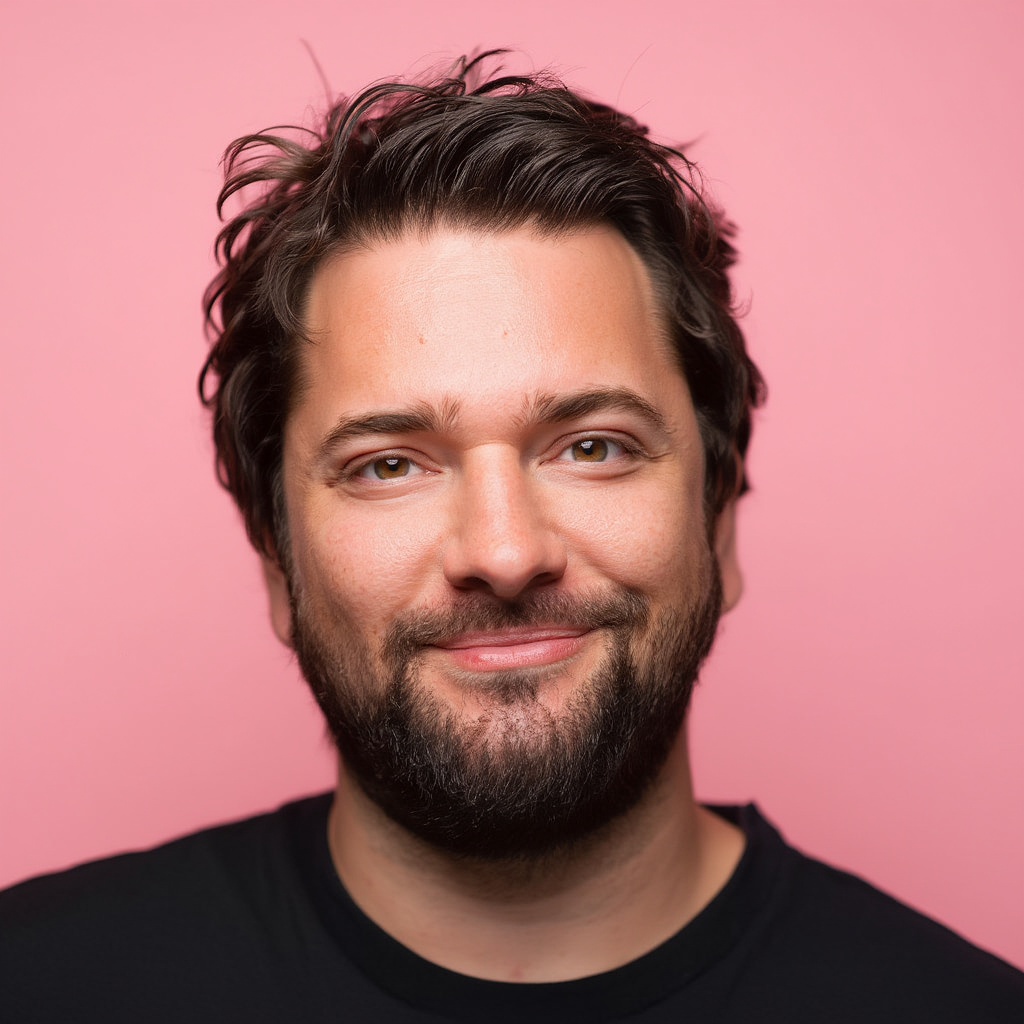
Every SEO article shipped from Miami SEO Company passes founder editorial review before client delivery. The edit covers search intent match, factual accuracy, E-E-A-T signals, citation source verification, citation-ready paragraph chunking, schema markup correctness, and Helpful Content survivability. The edit adds 1 to 2 business days to turnaround. It removes the need for additional internal review on the client side.
This founder-edit structure is the protection against the typical "your account got handed to a junior" and "your articles went straight from offshore writer to your inbox" patterns that hurt most agency clients. Capacity is capped because Jobin personally edits every piece. Writing retainers run between 10 and 14 active accounts at any time. Per-article pricing is open to walk-in projects without the retainer commitment.
Jobin holds six active certifications across Google, SEMrush, Ahrefs, HubSpot, and RankMath. He delivered the SEOcon 2026 keynote on Answer Engine Optimization. He has personally edited thousands of SEO articles for Miami clients across legal, medical, real estate, restaurant, hospitality, contractor, financial, and ecommerce verticals since 2014.
Eight skeptical questions Miami buyers actually ask.
SEO content writing is the production discipline of writing search-optimized articles, pillar pages, definition pages, listicles, HowTo content, and service pages targeted at specific search queries. Each piece is brief-driven (writer works from a structured content brief covering keyword, intent, competitor analysis, entity coverage, schema requirements, and internal linking), human-written (not AI-generated end-to-end), and edited for E-E-A-T signals, factual accuracy, and search intent match. SEO content writing differs from blog copywriting because every word answers to a measurable search demand target, not a brand voice exercise.
SEO content writing is the production tactic (writing individual articles to a brief). Content marketing is the strategic layer that decides which topics get written, in what cluster order, how they internally link, when they get refreshed, and how they ladder to business goals. Some Miami clients have existing strategy in place (content cluster maps, briefs ready, internal linking rules locked) and just need writing capacity. Others need the full strategic content marketing program. SEO content writing fits the first case. Content marketing fits the second.
Per-article SEO content writing in Miami runs $250 to $900 depending on word count and topic complexity. A 1,200-word article costs $250 to $400. A 2,000-word article costs $400 to $600. A 3,000-word pillar page costs $700 to $1,200. A listicle or comparison article costs $400 to $700. Standalone retainer pricing starts at $1,500 per month for 6 to 8 articles plus brief production. Full pricing details. Content priced under $100 per article is almost always AI-generated or offshore content that triggers Google Helpful Content suppression within 6 to 12 months.
Every SEO writer working on Miami SEO Company retainers is US-based and bilingual capable. Offshore content production is the largest reason agency-purchased SEO content underperforms: cultural mismatch on US business language, inconsistent expertise on US-specific topics (insurance, real estate, healthcare law, tax codes), and writing patterns that AI Helpful Content algorithms identify as machine-translated. Spanish-language content is written by native Spanish speakers in Miami, not translated from English drafts. Founder Jobin John edits every piece before publication.
AI tools are used for first drafts, research summaries, outline generation, and structural editing. AI is not used for end-to-end content production. Every published article is human-written or human-rewritten from AI draft, fact-checked, E-E-A-T-signaled with author bios and citations, and edited for search intent match. Google Helpful Content updates from 2024 onward suppress sites that publish end-to-end AI content, and we will not put client sites at that risk. The standard for every piece is: would a domain expert recognize this as written by someone who understands the topic.
Yes. Bilingual content production is one of the work streams. Spanish content is written by native Spanish speakers based in Miami, not translated from English drafts by software. Translation produces content that ranks poorly in Spanish search because phrasing, cultural references, and local search intent do not match. Native Spanish writing for the Miami market captures roughly 30 percent of search demand that English-only sites miss entirely. Hreflang setup and Spanish schema markup are included where Spanish content is part of scope. See Bilingual SEO Miami for the broader bilingual program.
Every brief covers target keyword, secondary keywords, search intent type (informational, comparison, transactional, navigational), top 3 ranking competitor URLs with note on what each does well and where they fall short, entity gap list (concepts and entities top rankers cover that the target page needs), suggested word count based on competitor averages, suggested heading structure (H1 through H3), schema markup requirements (FAQPage, HowTo, Article), internal links to include with anchor text guidance, multimedia requirements (hero image, supporting images, charts, embedded video), and CTA framing. Writers work from the brief, not loose topic prompts.
Standard turnaround on a 1,200 to 2,000 word SEO article is 5 to 7 business days from brief approval to delivery. Pillar pages (3,000 to 5,000 words) take 10 to 14 business days. Rush turnaround (48 to 72 hours) is available with a 30 percent rush premium. Bulk projects (10+ articles) follow a publication schedule agreed at project kickoff. Every piece passes founder edit before delivery, which adds 1 to 2 business days but produces content that ships ready for publication without additional internal review.
Five related questions Miami buyers research alongside SEO writing.
Sub-queries that come up after the primary SEO content writing search. Quick answers to the questions you would otherwise click back to Google for.
What is the difference between SEO writing and copywriting?
SEO writing is article and page production targeted at organic search demand (informational and comparison queries primarily). Copywriting is conversion-focused writing for sales pages, landing pages, and ad copy. The two overlap on service pages and location pages where ranking and conversion both matter. We do both, briefed differently per goal.
Discuss scope →How long should an SEO article be?
Word count matches search intent, not arbitrary minimums. Definition pages 800 to 1,500 words. SEO blog articles 1,200 to 2,000 words. Pillar pages 3,000 to 5,000 words. Listicles vary by item count. Brief word count based on top-3 ranking competitor averages plus 10 to 20 percent margin, never on template rules.
See Content Marketing →Can I use ChatGPT to write SEO articles myself?
Yes, but treat AI as first-draft only. End-to-end AI content gets suppressed by Google Helpful Content updates. AI-generated articles need substantial human rewriting for E-E-A-T signals, factual accuracy, original perspective, and Helpful Content survivability. We offer AI draft editing as a service for brands using AI in-house but needing humanization before publication.
See AEO Services →What is E-E-A-T and how does it affect content writing?
E-E-A-T is Google's framework for evaluating content quality: Experience, Expertise, Authoritativeness, Trustworthiness. Content writing for ranking requires author bios with real credentials, citation sources for factual claims, first-hand experience markers, and authoritative source linking. YMYL content (medical, legal, financial) requires stronger E-E-A-T signals than commodity topics.
See Miami SEO Expert →Do I need different writers for different industries?
Yes, ideally. Writer assignment matches industry experience: legal writers for law firms, medical writers for healthcare, real estate writers for property, ecommerce writers for product content. Generic writers handling specialized industries produce content that fails subject expertise standards. Our writer pool spans the ten Miami verticals listed above with founder review backing the assignment.
Discuss your industry →Start with a sample brief and article.
Pick a topic from your editorial calendar. We produce the full brief (target keyword, intent, competitor analysis, entity gap, structure, schema, internal links, multimedia) and write the article (1,200 to 2,000 words, founder-edited, schema ready for publication). Sample brief is free. Sample article is at standard per-piece pricing. If retainer scope makes sense after, we discuss it. If not, you keep the brief and article and use them however you want.